
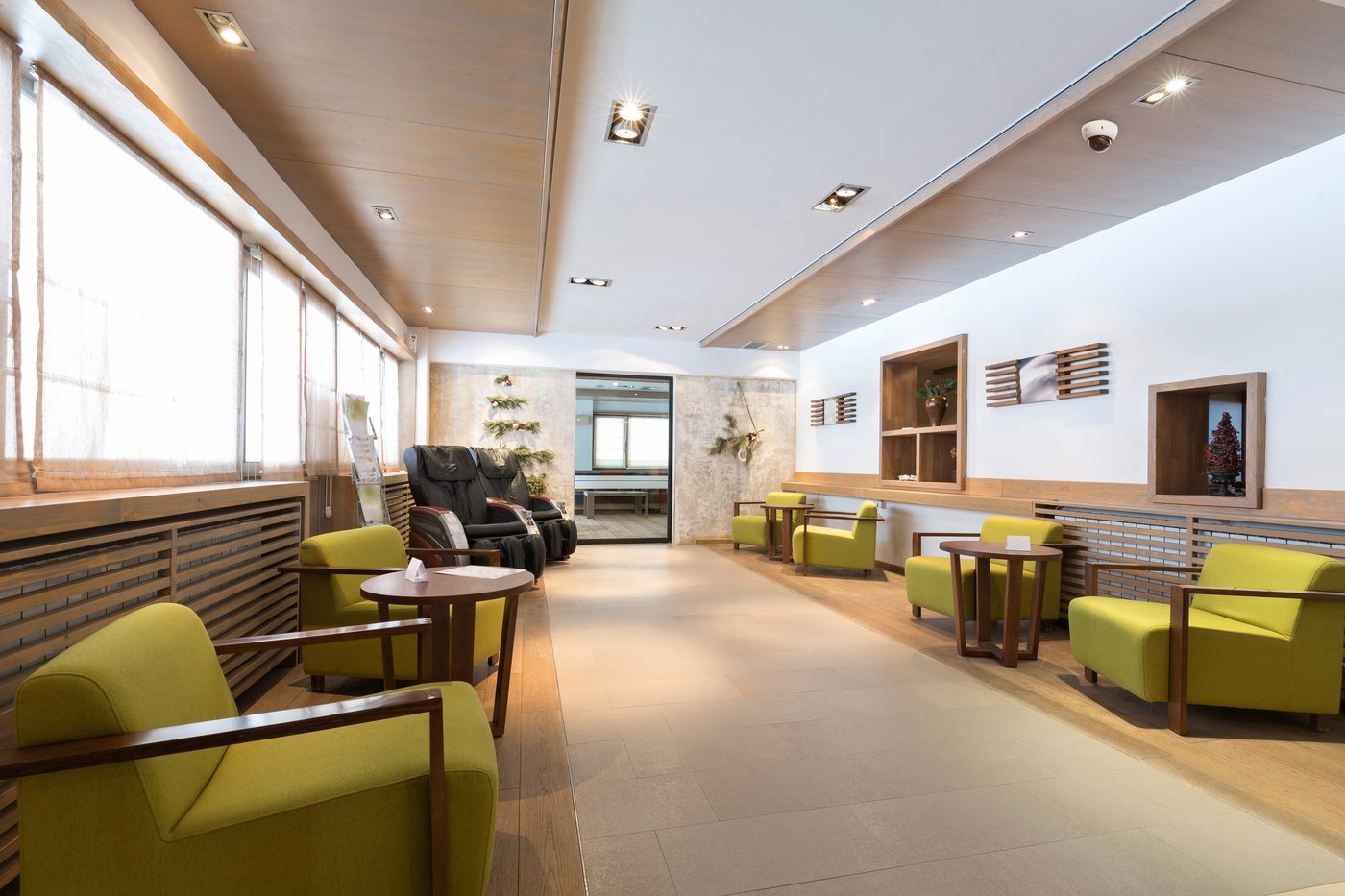
Quick answer: A vape sensor for Hawaii hotels is the only practical way to enforce a smoke-free room policy in the one place a camera can never go: the guest room. A Verkada SV23 mounts on the ceiling like a smoke detector, runs on one PoE cable, reads vape and cigarette aerosol as a vape index, and sends housekeeping or security a time-stamped alert within seconds. It has no camera and no audio recording, so guest privacy is protected, and every alert is logged with a reading graph you can show a guest who disputes a cleaning fee.
Ask any Waikiki front-desk manager what a smoking complaint costs and the answer is never just the cleaning bill. It is the room out of service for ozone treatment, the neighbors who asked to be moved, the review that mentions the smell, and the checkout conversation where the guest says it wasn't them. Hawaii hotels have had smoke-free policies for years. What most have not had is a way to prove a violation happened. Here is what Hawaii law requires, how a vape sensor works in a hotel, and where properties get the most from them, from a Honolulu team that has designed Verkada systems for hotels and resorts across the islands since 2019.
What does Hawaii law say about smoking and vaping in hotels?
Hawaii's clean indoor air law, HRS Chapter 328J, prohibits smoking in enclosed and partially enclosed public places and workplaces, and since January 1, 2016 that prohibition has covered electronic smoking devices too. The Hawaii Department of Health's guidance is direct: wherever smoking is banned, vaping is banned. That covers hotel lobbies, hallways, elevators, restaurants, fitness rooms and anywhere within 20 feet of an entrance.
Guest rooms are the carve-out. Under the statute a hotel may designate up to 20 percent of its guest rooms as smoking rooms, and section 328J-8 lets an owner declare the entire property smoke-free, which is what most Hawaii hotels have done. The Department of Health lists business fines of $100 for a first offense, $200 for a second and up to $500 after that. This is a summary, not legal advice, so confirm your policy language with counsel. The practical point is that a smoke-free property has the law behind it. What it needs is evidence.
How does a vape sensor work in a hotel room?
It samples the air continuously, flags the chemical signature of vape or cigarette smoke as a dedicated vape index, and alerts the people you choose. The Verkada SV23 also reads TVOCs, particulates, carbon dioxide, temperature, humidity, noise level and motion. Verkada's own documentation notes the vape index responds to other smoke, such as cooking or a candle, which is why thresholds are tuned room by room during setup so a candle on the lanai does not page the night manager.
Alerts go out by app notification, text or email to whoever is on the routing list, with schedules so the overnight shift gets overnight alerts. Each event lands in Verkada Command with the time, the room, and a graph of the index climbing and falling. When a guest says the room already smelled like smoke at check-in, the graph shows a clean baseline until 11:40 p.m. That record turns a cleaning fee from an argument into a line item.
Two things matter for guest trust. The SV23 has no camera and no audio recording, so it belongs in a guest room the same way a smoke detector does. And it is not a life-safety device; it sits alongside the fire-code smoke detectors and answers a different question.
Where do Hawaii hotels put vape sensors first?
In the places that generate the most complaints per dollar, which are usually not every guest room. Properties typically start with the rooms that keep showing up in incident reports, the stairwells guests duck into, pool and beach restrooms, fitness rooms and back-of-house employee restrooms. One sensor in the stairwell that smells like smoke every Saturday often answers the question faster than twenty sensors on that floor.
Condotels and vacation-rental towers in Waikiki, Kona and Kihei are different. Owners rent units they never see, and the association or management company fields the complaints. There a sensor per unit is more common, and the noise-level reading earns its keep by flagging the 1 a.m. party before three neighbors call the desk. Our condo and AOAO page covers how boards approach common-area sensors.
Can a vape sensor tell you who was smoking?
On its own, no, and in a guest room it does not need to, because the hotel already knows who was registered and when. Where identification matters is a stairwell, garage or pool restroom, and that is where pairing the sensor with the nearest hallway camera helps. Because Verkada sensors and security cameras share the Command platform, an alert links to footage from the camera outside the door, so security sees who went in a minute before the index spiked and who came out after. The camera stays in the hallway, never in the restroom. If a guest covers the sensor with a towel, that generates its own tamper alert.
What does a hotel vape-sensor project involve?
A property walk, a placement plan and one proposal covering hardware and cloud licensing. USP walks the floors with your director of security or chief engineer, maps existing camera coverage, and produces a space-by-space placement plan with the Verkada hardware and Command licensing specified. Physical mounting and cabling are performed by licensed Hawaii contractor partners, and each sensor needs a single PoE cable. Once sensors are up, USP configures alert routing and schedules, tunes thresholds, trains the front desk and security team, and supports the system for its life. Sensors carry a 10-year warranty and share the platform with the property's cameras, door access and intercoms, so a hotel already on Verkada adds them without another vendor. The full lineup is on our environmental sensors page, our vape detectors in Hawaii page covers schools and offices as well as hotels, and Oahu properties can see everything we support on our Honolulu security systems page.
Frequently Asked Questions
Are vape sensors legal in Hawaii hotel rooms? Yes. A Verkada SV23 contains no camera and no audio recording, so it does not raise the privacy issues a camera would, and rooms already carry smoke detectors. Most properties note in their smoke-free policy that rooms are monitored for smoking and vaping. Confirm the wording with counsel.
Will a vape sensor replace the smoke detectors in my rooms? No. Verkada sensors are not life-safety devices and do not meet fire-code requirements for smoke or carbon monoxide detection. They work alongside existing detectors and answer a different question: was someone smoking or vaping in this room, and when.
How do I use the alert to charge a cleaning fee? Each alert is logged in Command with the room, the time and a graph of the vape index, which you can export. Paired with the guest's check-in record and the housekeeping report, it documents that the reading was clean before the stay and rose during it.
Will steam from the shower set it off? Rarely once it is tuned. The sensor weighs the vape index against humidity, particulate and TVOC readings, so shower steam is easy to separate from aerosol. Candles and cooking smoke can raise the index, which is why thresholds are set per room and adjusted after the first weeks.
Do vape sensors work for resorts on Maui, Kauai and the Big Island? Yes. Sensors are cloud-managed, so a regional director sees alerts from every property in one dashboard, and USP supports hotels and resorts on every island.