
Vape Detectors for Hawaii Schools
Verkada vape sensors catch vaping where it actually happens — restrooms and locker rooms — and alert staff within seconds, with hallway video attached. Designed and supported by a locally owned Honolulu team for public, private and charter schools on every island.
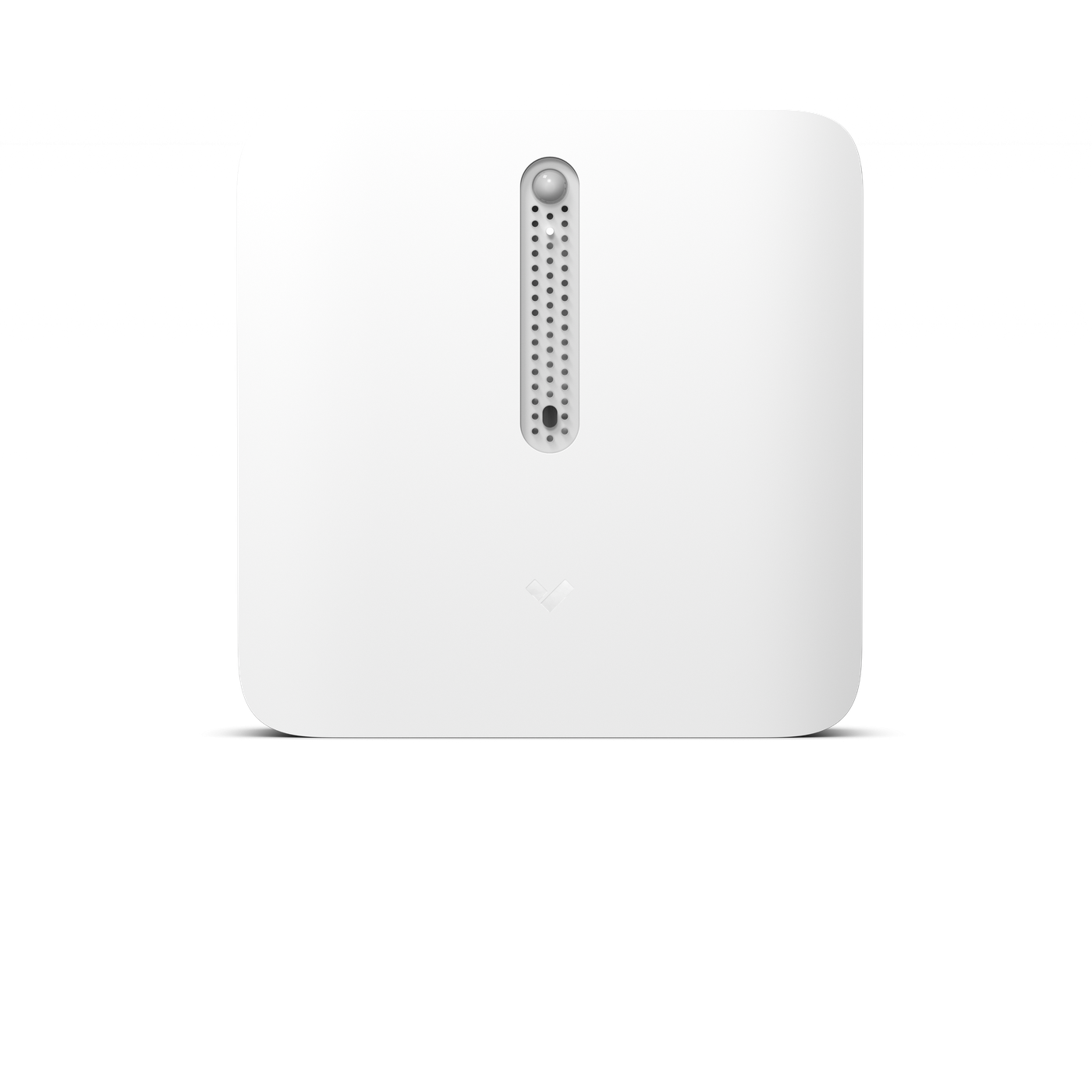
How a Verkada vape sensor stops restroom vaping
The Verkada SV23 is the sensor built for restrooms and locker rooms: ten readings on one PoE cable, including a dedicated vape index. Here is what a school gets.
Detects vape aerosol
A dedicated vape index flags e-cigarette aerosol in restrooms, locker rooms and stairwells — the places cameras can never go.
Alerts in seconds
Designated staff get an app notification, text or email the moment the vape index crosses the threshold, with a time stamp and reading history.
Links hallway video
Because sensors run in the same Command platform as your cameras, each alert pairs with footage from the hallway camera outside the door.
Tamper alerts
Covering, hitting or hanging something on the sensor triggers its own alert, so students can't quietly disable it.
Noise-level alerts
The same sensor flags shouting or a fight in a locker room by sound level — without recording conversations.
No camera, no recording
The SV23 has no camera and no audio recording, which is what makes it appropriate for privacy-sensitive spaces.
Why Hawaii schools are adding vape sensors now
- Roughly 1 in 8 Hawaii public high school students vape. The 2023 Hawaii Youth Risk Behavior Survey put current vaping at 13.2% — higher on the neighbor islands, around 22% in Hawaii County and 18% on Maui.
- 70+ Hawaii campuses already use vape sensors. Public and private schools across the islands have added vape detection to restrooms, and administrators report alerts dropping sharply after the first few months.
- Disposable e-cigarettes are banned from sale in Hawaii starting January 1, 2027. SB 2175 shrinks the legal supply, but devices still arrive by mail and by friend — detection on campus remains the school's job.
Read the full breakdown in our guide to vaping in Hawaii schools and how vape sensors deter it.
Verkada vape sensors vs. standalone vape detectors
Most vape detectors can sense aerosol. The difference for a school is what happens after the alert — who sees it, what video comes with it, and who supports it locally.
| Verkada SV23 with USP | Typical standalone detector | |
|---|---|---|
| Where alerts appear | Same Command dashboard as your cameras, doors and alarms | Often a separate app or portal |
| Video context for each alert | Built in — pairs with the nearest Verkada camera | Depends on a third-party integration |
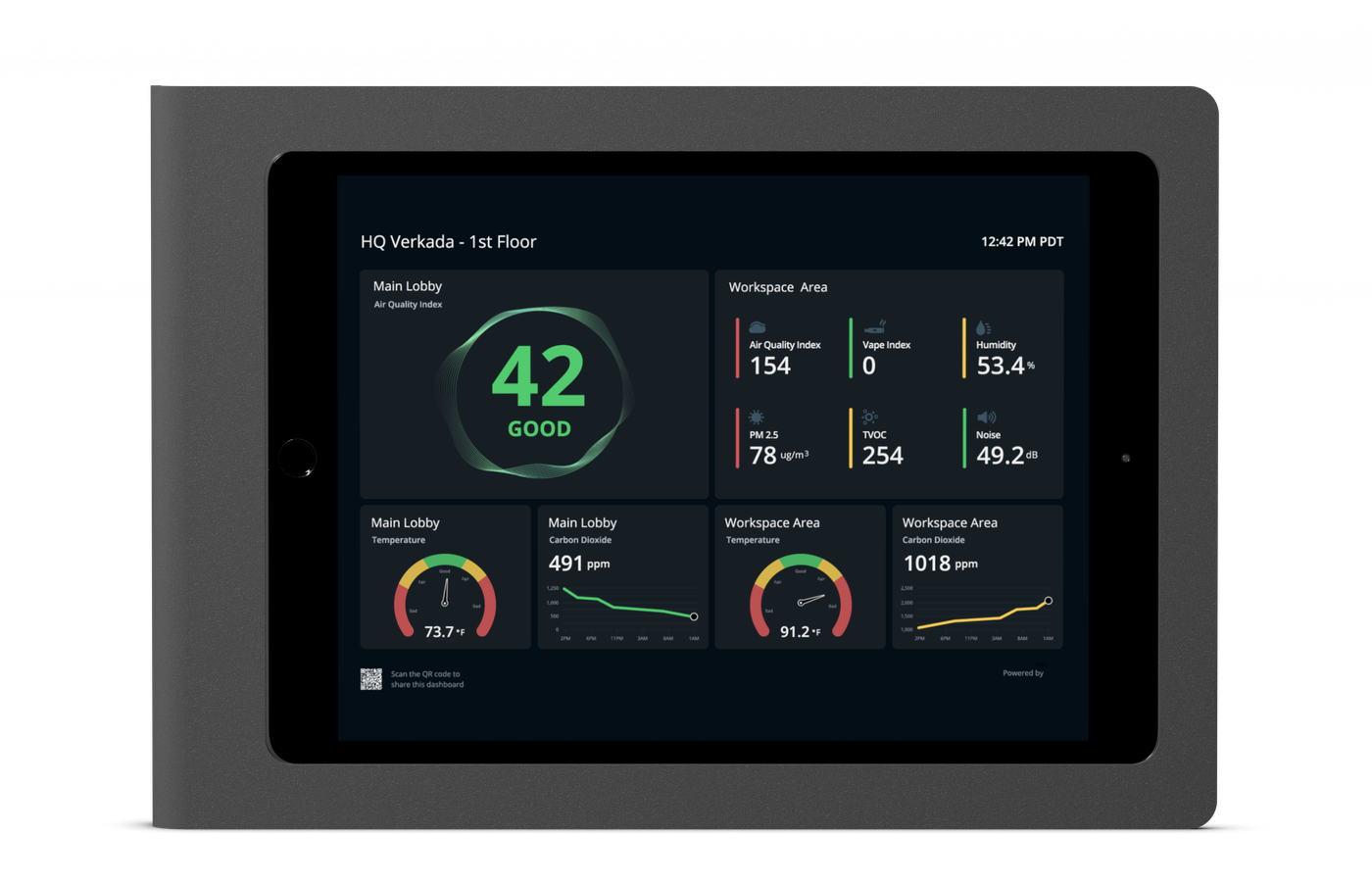
| Other readings | Air quality, PM, TVOC, CO2, humidity, noise level, motion | Varies by model |
| Multi-campus view | All sites and islands in one dashboard | Varies by vendor |
| Warranty | 10-year hardware warranty | Varies by vendor |
| Local Hawaii support | Honolulu-based Verkada Gold Partner since 2019 | Often mainland support |
What a school vape-sensor project looks like
1. Campus walk
We walk restrooms, locker rooms and hallways with your administrators and note existing camera coverage.
2. Placement plan & proposal
You get a sensor-by-sensor placement plan and one proposal covering Verkada hardware and Command licensing.
3. Mounting by licensed partners
Physical mounting and cabling are performed by licensed Hawaii contractor partners — each sensor runs on a single PoE cable.
4. Alerts, training & support
USP configures alert routing and schedules, trains your staff, tunes thresholds per room and supports the system for its life.
Vape sensors for Hawaii hotels, condos and workplaces
Hotels & resorts
Enforce smoke-free rooms and document violations for cleaning fees.
Learn moreCondos & AOAOs
Catch smoking and vaping in stairwells, garages and common restrooms.
Learn moreHealthcare & offices
Keep restrooms, stairwells and break areas compliant with smoke-free rules.
Learn moreVape sensors work best alongside cloud security cameras in hallways and door access control on restricted rooms. See how Hawaii campuses combine them on our education & DOE schools page.
Vape detectors in Hawaii — common questions
How does a vape detector work?
A vape detector samples the air continuously and recognizes the chemical signature of vape aerosol. The Verkada SV23 reads it as a dedicated vape index alongside TVOCs, particulates, humidity, noise level and motion, and sends an alert to designated staff within seconds of a threshold being crossed.
Can Hawaii schools put vape sensors in restrooms?
Yes. Vape sensors contain no camera, and the SV23 has no audio recording, so they avoid the privacy problems a camera would create in a restroom or locker room. Schools typically post notice that restrooms are monitored for vaping, which also strengthens deterrence. Check your own district or school policies before deployment.
Will body spray, steam or aerosol deodorant set off a vape sensor?
Rarely, once it is tuned. Because the sensor weighs a dedicated vape index together with TVOC, particulate and humidity readings, it separates vape aerosol from shower steam and deodorant far better than a single-reading detector. USP sets thresholds room by room during setup to keep false alerts low.
What happens if a student covers or damages the sensor?
Tampering generates its own alert. Covering, striking or hanging something on the sensor notifies staff the same way a vape event does, so disabling it becomes its own incident.
How much do vape detectors cost for a Hawaii school?
Cost depends on the number of restrooms and locker rooms, the sensor model and the license term. Each sensor needs Verkada hardware plus a Command cloud license, and on-site mounting is quoted by a licensed contractor partner. USP walks the campus and delivers one proposal covering hardware, licensing and a placement plan. Request a free campus assessment for a number specific to your school.
Are vape sensors only for schools?
No. Hotels use them to enforce smoke-free rooms, condo associations use them in stairwells, garages and common restrooms, and offices, clinics and transit facilities use them anywhere smoking or vaping is prohibited but cameras are not appropriate.
Do vape sensors work on Maui, Kauai and the Big Island?
Yes. Sensors are cloud-managed, so a complex-area or district administrator sees alerts from every campus in one dashboard, whether the school is in Honolulu, Hilo or Lihue. USP supports schools and facilities on every island.
Who handles mounting and cabling for vape sensors?
USP designs the deployment, supplies the Verkada hardware and licensing, configures alert routing, trains staff and provides ongoing support. Physical mounting and cabling are performed by licensed Hawaii contractor partners.
Stop vaping in your school restrooms
Tell us how many restrooms and locker rooms you need to cover. We'll walk the campus and come back with a placement plan and a clear proposal.
Trusted by Hawaii businesses, schools, state agencies, condos and hotels since 2019