
Quick answer: For an Oahu parking lot or construction site that sits empty at night, a virtual guard usually covers more ground than an on-site guard, responds faster and costs far less. AI cameras watch every corner at once, a speaker warns the person off, and a live agent calls police if they stay. Keep a human guard for the hours when people need to be greeted, directed or escorted.
A parking lot in Kakaako and a job site in Kapolei have the same problem after dark: a lot of open ground, nothing happening for hours, and one bad ten minutes that costs thousands. The old answer was a guard in a truck. The newer answer is a virtual guard service in Hawaii that watches the whole property through its cameras. This guide looks at where each one fits on Oahu, from a locally owned team that has designed these systems across the islands since 2019.
What is a virtual guard?
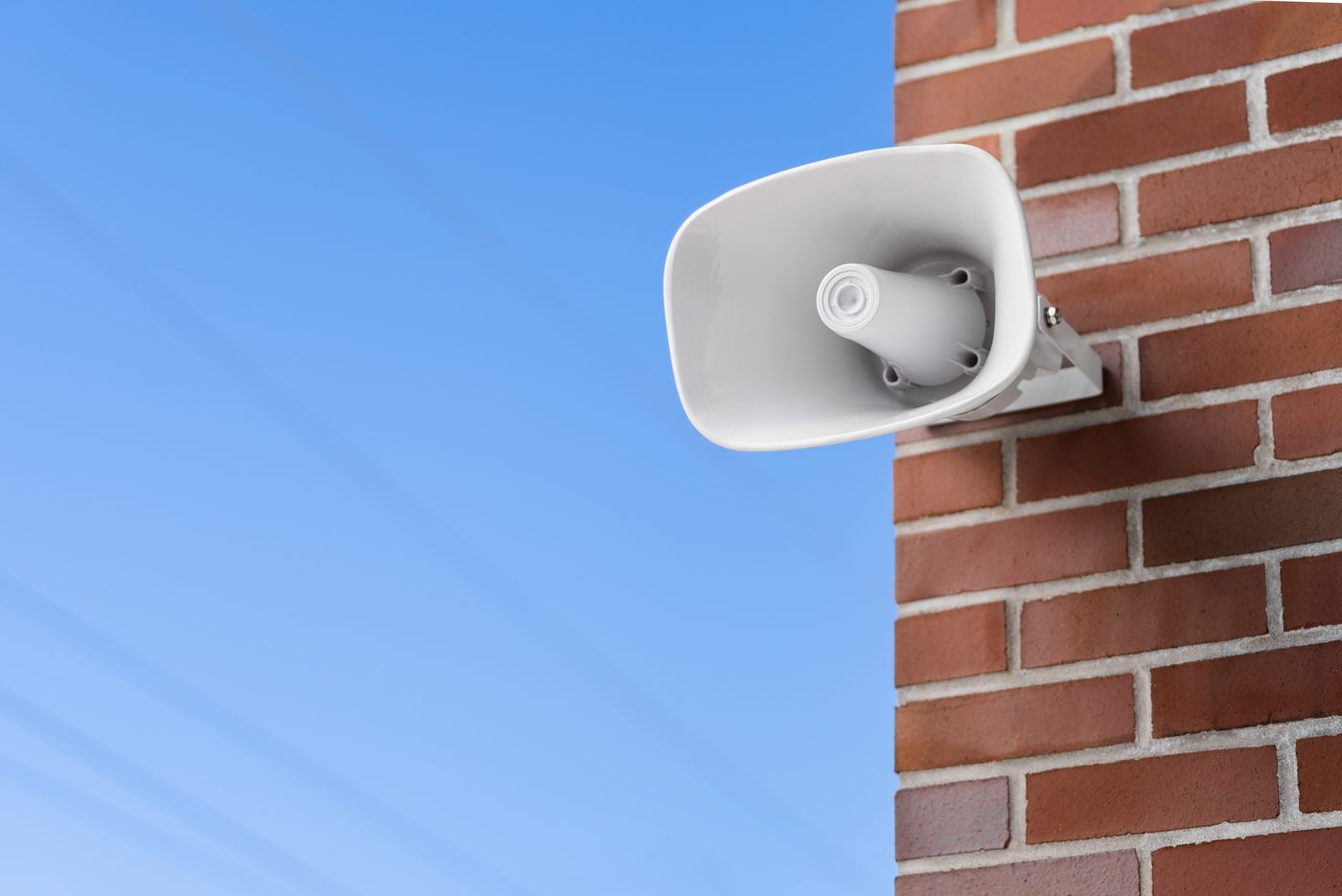
A virtual guard is a combination of AI cameras, a talk-down speaker and live monitoring agents that does a night guard's job remotely. Cameras watch defined zones for a person or vehicle after hours. When someone enters, a horn speaker plays an escalating warning that describes what the camera sees. If the person ignores it, a trained agent reviews the live video, speaks to them directly and, for a confirmed threat, dispatches police with a description. Every step is recorded in Verkada Command, so the owner wakes up to a timeline instead of a mystery.
Which is better for an Oahu parking lot?
A virtual guard, for most lots and most hours. A parking lot or garage is too big for one person to see. A guard on foot is at one end while a catalytic converter comes off at the other, and a guard in a booth sees one entrance. Cameras see every row at the same moment, and the response is the same at 2 a.m. on a Tuesday as it is on a holiday weekend.
The pieces are simple. Outdoor commercial security cameras in Hawaii cover the entrances, the rows and the stairwells, with loitering rules that ignore someone walking to their car and flag someone moving from door handle to door handle. A horn speaker and a siren strobe at the trouble spots handle the warning. Retail centers, condo garages, hotel lots and medical office parking around Honolulu are all good fits, and the building's existing cameras can often be brought in through Verkada's Command Connector instead of being replaced.
A guard still earns the post where the job is people: a pay lot with a busy exit at pau hana, an event night, or a garage where tenants want an escort to their car.
Which is better for an Oahu construction site?
A virtual guard at night, and often a person at the gate by day. Job sites are dark, the layout changes every week, and the valuable things, such as skid-steers, generators, copper and tools, sit in the open. A single overnight guard cannot watch the gate, the laydown yard and the conex boxes at once, and most losses happen in the hours when it is hardest to stay alert.
Sites without power or internet are not a barrier. Solar-powered LTE cameras, which you can see in our remote LTE camera lineup, go up before temporary power does and move to the next project when the job wraps. The same talk-down and agent response applies, and a superintendent running several jobs sees all of them from one phone. Our guide to construction site security in Hawaii covers the layout by site size, and the construction industry page covers the full stack.
During working hours a person is still the right tool for checking in deliveries, directing trucks and keeping the public out of an active site.
How do the costs compare?
A 24/7 guard post is about 730 staffed hours a month, and a virtual guard is priced on cameras and coverage hours instead of headcount. Contracted unarmed guards in Hawaii commonly bill at $25 to $40 or more per hour, so one continuous post runs roughly $18,000 to $29,000 a month. Cameras with professional monitoring typically land in the hundreds to low thousands per month for the same property. Those are market ranges, not quotes, and the full math is in our guards vs. remote monitoring cost guide.
There is a second difference. A guard contract is an expense that resets every month. Cameras and speakers are equipment you own, and they keep recording, deterring and producing evidence whether or not anything happens that night.
What can a guard do that a virtual guard cannot?
Be physically present. A guard can open a gate, walk someone to their car, give first aid, check a badge by hand and calm a situation face to face. A virtual guard can see, speak, sound a siren, call police and document, but it cannot touch anything. If the main job of the post is contact with people, staff it. If the main job is watching empty ground, a virtual guard does it better.
Does talk-down actually make people leave?
Most of the time, yes. The warning works because it is specific. Hearing a voice describe your clothing and the gate you are standing at tells you someone is watching right now, and most trespassers leave at that point. For the ones who do not, the alarm escalates, the siren and strobe fire, and the call that goes to Honolulu Police is a verified event with live video behind it, not a blind signal. That also keeps the property clear of Honolulu's false-alarm fees. The deterrence hardware is outdoor-rated for salt air and rain.
Can a property use both?
Yes, and many Oahu properties should. The common pattern is staffed days and monitored nights: a guard or attendant during business hours, when people need help, and a virtual guard for nights, weekends and holidays, when a guard would mostly be watching empty space. Cutting a 24/7 post back to business hours removes about two-thirds of the staffed hours while the property stays watched every minute.
How does a project start?
With a site walk. USP looks at the lot or site at the hours that matter, marks the zones, checks lighting, power and connectivity, and reviews any cameras already in place. You get a written design and proposal. USP supplies the Verkada hardware and licensing, configures the zones, warnings and escalation steps, trains your team and supports the system for its life. Physical mounting and cabling are performed by licensed Hawaii contractor partners.
If you are weighing a guard contract renewal against cameras, ask for a side-by-side on your own property. USP is a locally owned Verkada Gold Partner based in Honolulu, and we can show you what remote video monitoring in Hawaii would cover at your lot or job site before you commit to either one.
Frequently Asked Questions
What is the difference between a virtual guard and a security guard? A security guard is a person on the property. A virtual guard uses AI cameras, a talk-down speaker and remote monitoring agents to watch the whole property at once, warn intruders off and dispatch police on verified events.
Is a virtual guard cheaper than a security guard on Oahu? Usually by a wide margin. A 24/7 guard post in Hawaii runs roughly $18,000 to $29,000 a month at typical billed rates, while cameras with professional monitoring typically cost hundreds to low thousands per month. These are market ranges, not quotes.
Can a virtual guard work on a construction site with no power or internet? Yes. Solar-powered LTE cameras with onboard storage run without site power or a wired connection, and they can move to the next job when the project ends.
Will a virtual guard call the police? Yes. If automated warnings are ignored, a live agent verifies the event on video and dispatches police with a description of the person, which is treated as a verified crime in progress.
Should I replace my night guard completely? Not always. Keep a guard where the job is contact with people, such as lobbies, escorts and busy gates, and use a virtual guard for the after-hours stretches when the post is mostly watching empty ground.